





What Causes Rosacea
An Educational Deep-Dive
What Causes Rosacea
Rosacea is a complex, chronic inflammatory skin condition influenced by multiple interacting factors. From a holistic perspective, it is best understood as a condition of skin barrier dysfunction, neurovascular sensitivity, immune dysregulation, and microbiome imbalance.
Genetics, hormonal fluctuations, gut health, environmental exposures, and nervous system activity all contribute to its development and severity.
Understanding these underlying mechanisms provides a framework for managing flare-ups, supporting barrier repair, and promoting long-term skin resilience.
Topical Irritants & Incompatible Skincare
Rosacea-prone skin is extremely sensitive to products and ingredients that disrupt barrier integrity or provoke micro-inflammation. Choosing the wrong formulations can exacerbate redness, flushing, and sensitivity, while gentle, supportive products help the skin gradually regain resilience.
Common topical irritants include:
- Harsh foaming cleansers that strip essential lipids and compromise barrier function
- High-alcohol toners, astringents, or synthetic fragrances that increase irritation
- Overuse of exfoliants, both chemical (AHAs, BHAs, retinoids) and physical scrubs, which create micro-trauma to the skin
- Potent actives such as strong vitamin C or prescription retinoids, especially when used without barrier support
- Petrochemical or mineral oil-based formulations that can disrupt the natural skin microbiome
- Chemical sunscreens that may aggravate redness; opt instead for zinc-based, physical barrier sunscreens
- Antibacterial agents and harsh preservatives that disturb microbial balance
Skin Barrier Dysfunction & Microbiome Health
A fragile or compromised skin barrier is central to rosacea. When the barrier is impaired, irritants, microbes, and environmental triggers penetrate more easily, amplifying redness, inflammation, and sensitivity. Gentle, lipid-supportive care that respects the skin’s natural defenses is key to helping the skin gradually recalibrate.
The skin microbiome (the community of microorganisms living on the surface) also plays a critical role. Dysregulation or an imbalance in beneficial bacteria, can increase inflammation. Certain skincare ingredients, such as petrochemicals, mineral oils, harsh preservatives, or strong astringents, can further disrupt this delicate ecosystem.
Holistic management focuses on microbiome-friendly formulations that are gentle, non-stimulating, and supportive of long-term barrier repair.
- Avoid harsh foaming cleansers, high-alcohol toners, and synthetic fragrances
- Limit overuse of chemical or physical exfoliants, as well as potent actives without barrier support
- Prioritise lipid-supportive, microbiome-conscious products
Neurovascular Sensitivity & Stress Response
Rosacea-prone skin is hyper-reactive, with heightened vascular and nervous system sensitivity. Blood vessels respond strongly to triggers such as heat, sun, alcohol, spicy foods, or emotional stress. Chronic activation can exacerbate persistent redness, flushing, and inflammation. The HPA axis (the body’s stress-regulation system) plays a key role in this process. Elevated stress levels can compromise the skin barrier, increase inflammatory signaling, and amplify flushing.
Supporting nervous system regulation is therefore a cornerstone of holistic care. At MV, we encourage transforming your daily skincare routine into an essential act of self-care. We promote ritual-based practices through touch, intention, breath, and aromatherapy, including;
Guided Audio Skin Ritual Meditations
Spoken by MV founder and Sensitive Skin Expert Sharon McGlinchey, these meditations help calm the nervous system, support skin homeostasis, and promote long-term resilience.
Listen here
MV Skin Rituals
Watch the step-by-step skincare rituals designed to engage the senses, nourish the skin barrier, and transform routine care into a mindful practice.
See MV Skin Rituals
Immune Dysregulation
Rosacea involves innate immune system overactivity, meaning the skin reacts too strongly to stimuli without being autoimmune. Inflammatory mediators, such as cathelicidins and kallikrein 5, are elevated in rosacea-prone skin, driving redness, papules, and pustules.
Immune dysregulation can be triggered by:
- Microbial imbalance on the skin or gut
- Environmental irritants, UV exposure, and heat
- Chemical stressors from incompatible skincare
Holistic approaches aim to support immune balance through barrier restoration, gentle care, and, when appropriate, collaboration with trusted healthcare practitioners to explore systemic contributors.
Lifestyle, Diet & Environmental Contributors
Lifestyle, diet, and environmental exposures can significantly influence rosacea flare-ups. Common triggers include:
- Sun exposure, heat, and sudden temperature changes
- Alcohol, spicy foods, and very hot drinks
- Vigorous exercise or overheating
- Emotional stress or strong emotions
♀️Hormonal fluctuations, particularly around menopause, may also influence vascular reactivity and inflammation.
Did You Know?
Beyond these immediate triggers, broader dietary and lifestyle patterns, including systemic inflammation, gut health, and metabolic balance may contribute to skin reactivity. Because these factors are highly individual, we strongly recommend working with a trusted healthcare practitioner, such as a naturopath, nutritionist, or integrative GP, to explore personalised strategies that support both skin and overall health.

Conventional Treatments For Rosacea
Traditional dermatology typically focuses on reducing visible symptoms. Common approaches include:
- Topical or oral antibiotics – to reduce inflammation or microbial triggers
- Vasoconstrictor creams – to temporarily reduce redness
- Antiparasitic creams – targeting Demodex mites
- Laser or light therapies – for visible blood vessels or persistent redness
- Topical corticosteroids – sometimes used short-term for flare-ups
While these treatments can provide short-term relief, they typically do not restore barrier integrity, calm neurovascular sensitivity, or support microbiome balance. Over-reliance on these approaches can sometimes leave skin more sensitive, reactive, and dependent on symptom suppression, rather than supporting long-term resilience.
At MV, We Approach Rosacea Differently
We focus on restoring barrier integrity, reducing skin reactivity, and supporting the skin’s natural regulatory systems. Rosacea is viewed as a condition of impaired resilience rather than defective skin. Our philosophy prioritises:
- Gentle, lipid-supportive formulations
- Microbiome-friendly care
- Consistent, calming rituals
- Alignment with holistic lifestyle support
We also emphasise the importance of working with trusted healthcare practitioners, such as naturopaths, nutritionists, or integrative GPs, to explore systemic contributors including diet, gut health, stress, and lifestyle. By combining evidence-based skincare with holistic guidance, rosacea-prone skin can gradually become less reactive, more resilient, and far more comfortable to live in, supporting both long-term skin health and nervous system regulation.
Explore Our Rosacea Hero Products
Balance and calm rosacea affected skin with the restorative power of botanical compounds.
Radiance Starter Kit

Radiance Starter Kit
Contains all the core products I consider foundational for managing barrier-impaired skin, including rosacea.
Rose Plus Booster
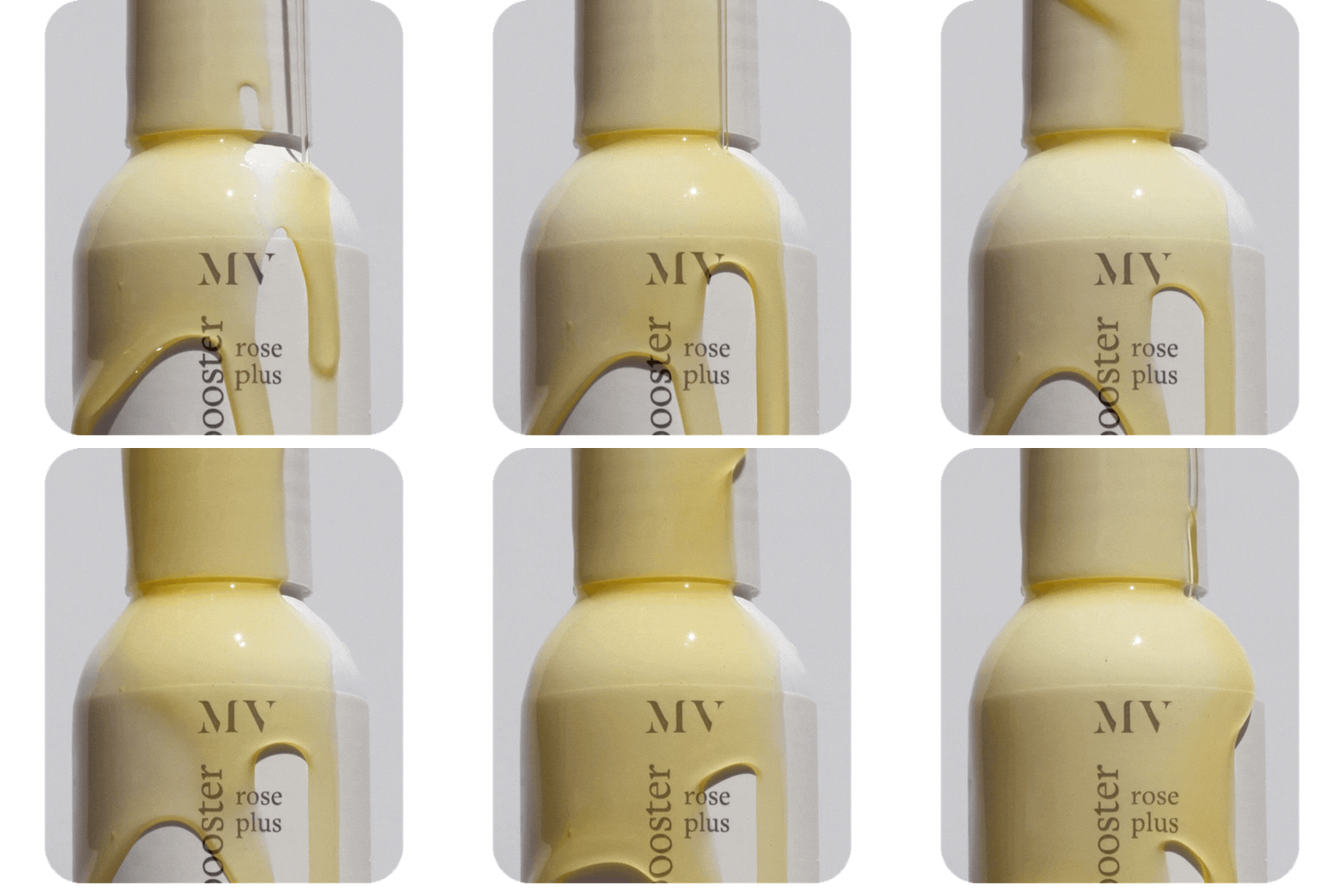
Rose Plus Booster
The perfect skin booster for targeted treatment to calm and balance rosacea affected skins.
Signature Mineral Mask

Signature Mineral Mask
Instantly soothes & calms & strengthens the skin barrier while reducing redness, evening skin tone and softens skin texture.
Pure Jojoba

Pure Jojoba
Highly compatible with the skin’s structure, this liquid wax balances sebum production and supports the skin’s natural anti-inflammatory processes.
The MV Rosacea Program
Explore our Rosacea Collection to designed to calm inflammation, reduce redness and breakouts, strengthen the delicate skin barrier, and provide ongoing daily protection.
Top Tips For Rosacea
MV Founder and Sensitive Skin Expert, Sharon McGlinchey shares the top tips she wishes everyone with rosacea knew.
What Is Rosacea?
Rosacea effects an estimated 415 million people globally. So what exactly is it..
Skin Health Solutions
small batch
handcrafted
plant-powered