





PCOS is now PMOS
What the Name Change Means for Your Skin — In Conversation With Three Health Practitioners
In May 2026, something quietly significant happened in women's health. After more than a decade of consultation with over 20,000 patients and clinicians across 56 organisations, a global Lancet consensus renamed Polycystic Ovary Syndrome. Its new name: Polyendocrine Metabolic Ovarian Syndrome, or PMOS.
It's not a new condition or new diagnosis, it's a correction and an acknowledgement that a syndrome long reduced to 'ovarian cysts' is, and always was, a whole-body condition that touches hormones, metabolism, mood, and the part we know best — skin.
We wanted to mark the moment properly, so we sat down with three health practitioners to talk about what the name change means in practice, and where skin fits into the bigger picture.
Why the Name Changed?
For a long time, the name pointed to one thing: ovarian cysts. But those 'cysts' aren't actually cysts—they're small, immature follicles that never fully developed or released an egg. And that ovarian appearance was never required for diagnosis in the first place, which meant an entire condition was named after something a large share of the people living with it didn't even have.
Meanwhile, the condition affects up to 13% of people of reproductive age, and shows up well beyond the ovaries. That's where the new name earns its length: Polyendocrine (multiple hormone systems involved, not just one), Metabolic (insulin, blood sugar and cardiovascular health), Ovarian (ovulation and reproductive health).
Three words doing the job the old one never could.
Skin has always been part of that picture, and it's often the part dismissed fastest — hormonal acne, excess oil, pigmentation changes, and an impaired skin barrier — often dismissed as purely cosmetic rather than understood as one visible piece of a systemic condition.The hope behind the new name is a simple one: less misdiagnosis, less delay, less feeling dismissed for symptoms that were real all along.

What Doesn't Change?
If you were diagnosed with PCOS, you still have the condition, nothing about that changes. The diagnostic criteria stays the same, treatment pathways stay the same. This is a correction to the name, not a new condition or a new diagnosis, and the global transition is expected to take up to three years, so you'll see both terms in use for a while yet.
Our approach doesn't change either. The MV philosophy for PMOS skin has always been built around calming inflammation, restoring an impaired skin barrier, and supporting the skin microbiome — the same program with a name that finally fits.
In Conversation — Jennifer Ward, Naturopath
Jennifer Ward is a Women's Health & Hormone Naturopath with over a decade of clinical experience and a Masters in Reproductive Medicine.
Q: Earlier this year, PCOS was formally renamed Polyendocrine Metabolic Ovarian Syndrome (PMOS) following a decade-long international consensus process involving over 20,000 patients and clinicians. Do you think this renaming is significant, and if so, why?
A: "Yes. I think it shifts the conversation from seeing this as primarily an ovarian condition to recognising it as a much broader endocrine and metabolic syndrome. The old name was particularly misleading because you don't actually need ovarian 'cysts' to have the condition. PMOS better reflects what we see clinically: reproductive hormones, insulin, metabolism and other endocrine systems can all be involved, and the presentation can look very different from one woman to another."
Q: PMOS's broader framing means things like cortisol, thyroid function, and blood sugar are getting attention alongside the classic hormone markers.What'san underappreciated connection you wish more people understood — something quietly driving symptoms that nobody traces back to it?
A: "Blood sugar and insulin. You can have completely normal glucose on a standard blood test while insulin is working much harder in the background. Higher insulin can stimulate ovarian androgen production and reduce SHBG, increasing the amount of free testosterone available to act on the skin. For some women, that can show up as acne, increased facial hair or difficulty managing weight long before anyone identifies a metabolic issue.I also think sleep is hugely underestimated. Poor or inconsistent sleep can make glucose regulation, appetite and stress physiology harder to manage, which can feed back into an already sensitive hormonal system."
Q: Naturopathic care tends to treat the whole terrain rather than chase a single symptom. Is there a supplement or lifestyle shift you find yourself returning toagain and againfor hormonal skin — something people consistently underestimate?
A: "Before adding another supplement, I usually come back to the foundations: regular meals, adequate protein, fibre, strength training and consistent sleep. Hormonal skin is often being influenced upstream, so simply trying to suppress androgensdoesn'talways address whythey'rehaving such a strong effect. Supplement-wise, zinc is one I usefrequentlywhenappropriate. It has a useful role in skin health, inflammation and androgen metabolism, but I still see supplements as supporting the bigger picture rather than replacing it."
In Conversation — Junia Kerr, Sage Beauty Bondi | MV stockist
Junia Kerr is a qualified Herbalist, Homoeopath and beauty and facial therapist. She is the owner of Sage Beauty Bondi, a proud MV stockist.
Q: PMOS makes the case that this condition was never 'just' reproductive — it shows up across the body, skin included. If someone came to you newly navigating that, what's one piece of advice you'd give them?
A: "The first one would be to see a Naturopath or Herbalist who specialises in PMOS to help guide them as to which tests to have, and also to a doctor who understands this condition and who can also rule out other conditions such as thyroid disorders, which can be confused with PMOS. As this is a hormone driven condition with several causes, not just one, we would identify which PMOS phenotype the person has and then treat accordingly, as not all types are high androgen based.
Q: Given how central skin is to this condition, what's your go-to product in the MV range for hormonal or reactive skin, and what do you like about how it works?
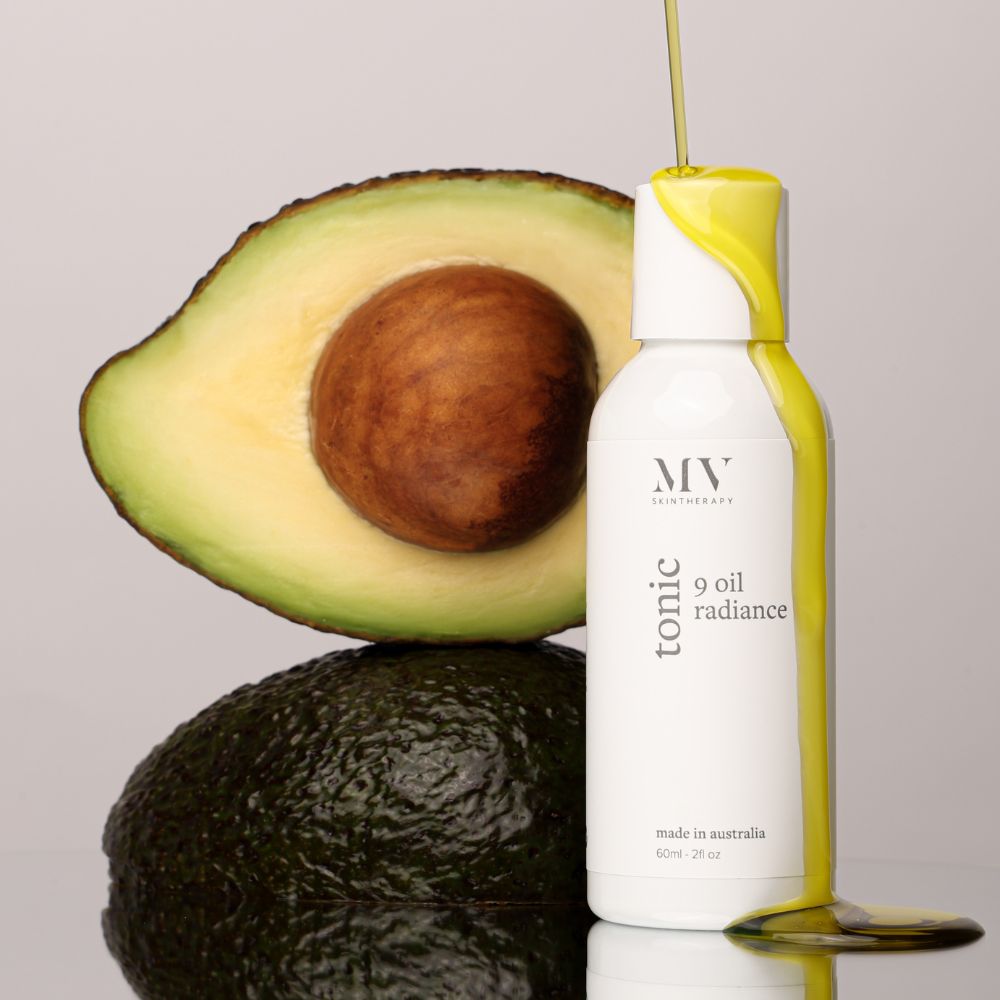
A: "It's impossible to say just one — it depends on the sensitivity of the skin. The Gentle Cream Cleanser is calming, soothing and hydrating. If someone isn't overly sensitive, I'll add the 9 Oil as a second cleanse which is wonderful for deep cleansing porous skin, with anti-inflammatory essential oils to bring down that inflammation so common in PMOS. At night, I love the Native Power Serum — hydrating and soothing, because inflamed skin needs it; using a hyaluronic serum on it is like watering a desert. I can't go past the jojoba oil either, a standalone for all skin types thanks to its purity. Rose Booster isa must for inflamed skin — we use it post-wax on sensitive skin and it calms things down within five minutes. And of course the Daily Soother, with lavender and calendula — soothing and healing all at once. It really comes down to the person's skin and how it's reacting."

In Conversation — Fay Halkitis, Luna Beauty & Apothecary | MV stockist
Fay Halkitisis a qualified Naturopath (Herbalist, Nutritionist) and Beauty Therapist who combines a unique range of qualifications to practise her area of special interest, Naturopathic skin health.She is the founder of Luna Beauty & Apothecary, a proud MV stockist.
Q: A lot of people get told their skin symptoms are 'just PCOS' (now PMOS) and are left to manage them alone, with no clear next step.What'sa realistic first move toward looking at this beyond just the skin?
A: "One of the key things I've observed in clinic is that PMOS is a complex condition and can present slightly different from one client to the next. What works for one woman may not work for another, so my first piece of advice is to find an experienced practitioner who can tailor a plan for you. In general though, a plan may look like targeted hormone modulation with herbal medicines, blood sugar balance with adequate protein, healthy fats and fibre (compounds such as inositol can be helpful here too), and of course addressing foundational practices of good sleep and consistent movement."
Q: Hormonal acne and sensitivity get treated as a single problem, but the drivers behind them can vary a lot person to person. What's the most common one you see in clients who come through your door?
A: "The most common pattern I see is what I refer to as 'stressed skin.' Skin that is showing signs of stress can look like impaired healing, uneven tone and texture and inflammation. These stressors can be internal or topical, or sometimes a combination of both. The drivers behind stressed skin can vary greatly, but the common ones I've observed are chronic stress, blood sugar dysregulation and poor sleep patterns, all potentially exacerbating hormone imbalance. Histamine intolerance is also worth exploring here, particularly where reactive skin is concerned. Topical stress is usually seen in clients who either have no skincare routine or have spent years trying every product available on the market, whether it's suitable for their skin or not. Quite often there's an understandably desperate attempt to treat acne which results in an impaired barrier and skin that's been sensitised. The good news is that with the right guidance and products, skin can heal."
Q: What's your go-to product in the MV range for hormonal or reactive skin, and what do you like about how it works?
A: "I can't go past Jojoba Oil. A simple routine of three products — Gentle Cream Cleanser, Rose Mist and Jojoba Oil — is often my first recommendation when a client needs a skin reset. I've found that following this evening ritual for 4–6 weeks gives the skin an opportunity to restore its barrier, rebalance itself and begin healing naturally."
Fay's go-to MV product for hormonal or reactive skin
"I can't go past Jojoba Oil. A simple routine of three products — Gentle Cream Cleanser, Rose Mist and Jojoba Oil — is often my first recommendation when a client needs a skin reset. I've found that following this evening ritual for 4–6 weeks gives the skin an opportunity to restore its barrier, rebalance itself and begin healing naturally."
Founder Luna Beauty & Apothecary
If you're navigating PMOS and want a gentler approach to the skin side of things discover our PMOS collection and free eBook and other resources.
Explore The PMOS (formerly PCOS) Collection





"My PMOS protocol is a simple yet effective 1 month guide that will focus on calming inflammation, reducing redness and breakouts, strengthening the delicate skin barrier, and providing ongoing daily protection."
Sharon McGlinchey | MV Founder, Celebrity Facialist and Sensitive Skin Expert
What Is PMOS
Learn what PMOS (formerly PCOS) is, how common it is, and how it’s diagnosed. Explore the typical symptoms, prevalence, and conventional treatment approaches for this complex hormonal condition.
PMOS: Causes & Holistic Insights
Take a deep dive into the root drivers of PMOS and explore natural, lifestyle-based strategies to support overall hormonal and skin health.
